
There are key events in everyone’s lives that we remember with vivid clarity: the day we got married, for example, the day our first child was born or, more sadly, the day a loved one died. For an author, selling your first novel is right up there with those life-changing memories.

I recall the day well. It was 1992. I was in the offices of my then agents, Curtis Brown, on Haymarket in London, talking to Julia Kreitman who handled the film and TV writing that was my main occupation at that time. A few months earlier, she’d given the manuscript of a novel I’d written to one of the book agents at the firm, Peter Robinson, and she told me that Peter had some news for me. Together we trooped down the corridor to his office, me thinking, “Is it good news? Or bad.”
It was good. Elizabeth Walter, who edited the Harper Collins Crime Club, liked my book and had made an offer of publication. The advance was very small and non-negotiable, Peter said, but the money was irrelevant to me. All that mattered was that, after eleven years of trying and six or seven previous novel attempts that had gone nowhere, I was finally getting published.
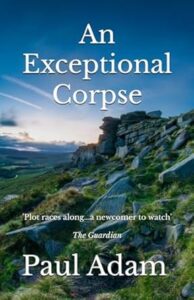
The book was An Exceptional Corpse, the first in what became my Mike McLean Series of thrillers set in the Peak District and South Yorkshire, featuring a tenacious investigative journalist.
Soon after that momentous day, and still on a high, I met Elizabeth Walter for lunch and got an immediate wake-up call about my prospects as a novelist. “I always advise my new authors,” she said phlegmatically, “that, if they’re lucky, they might be able to support themselves after ten novels, but certainly no spouses or children” – a sobering thought given that I had ambitions of making a living from my work (as it happens, it didn’t take me ten books, but only because I jumped publishers to one that paid better).
She asked if I had any thoughts about the cover and explained that they liked to use photographs of people on the jackets, but only their extremities, never their faces as that cost more. Sure enough, when the book was published in January 1993, the photo on the cover showed a man in a body bag, his lifeless arm lolling out to one side but his face conveniently hidden.
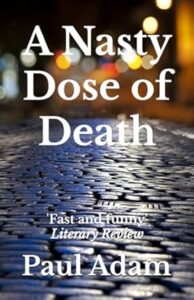
Two more Mike McLean books followed – A Nasty Dose of Death and Toxin. At the time, the Crime Club (an imprint, of course, not a club that anyone had to join) published forty-eight books a year in hardback, mainly for the library market, but only four of those would then go into paperback. As many of the existing Crime Club authors were well-known and with an established readership, the chances of mine being among those four were slim. And they never did go into paperback.
Until now.
All three books have just been reissued by Endeavour Publishing, who have also reissued six other novels of mine, originally published by Little, Brown and Company but long out of print.
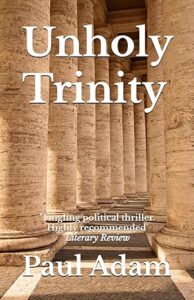

Unholy Trinity – a political thriller set in contemporary Italy, about neo-fascists, the Vatican and Mussolini’s long-lost gold.
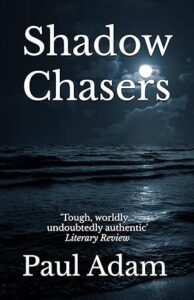
Shadow Chasers – a gripping thriller about the EU’s elite anti-fraud unit tackling cigarette smuggling across the continent.
Genesis II – a timely, compelling thriller about a flu virus jumping species with the potential to kill in epidemic proportion.


Oracle Lake (originally published in the UK as Flash Point) – a thriller about Tibetan monks searching for the next Dalai Lama while the Chinese army try to hunt them down.
Enemy Within – a disturbing, highly plausible thriller about the 21st century surveillance society in which we live.
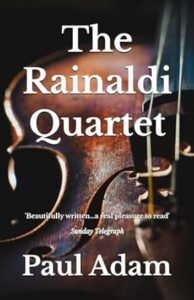
The Rainaldi Quartet (originally published in the UK as Sleeper) – the first of my Cremona Mysteries about violin-maker Gianni Castiglione and his detective friend, Antonio Guastafeste, in which they try to find a priceless missing violin, the sister to the fabled Stradivari “Messiah”.
To buy the novels, just go to the relevant book page on my website and click the link to Amazon.
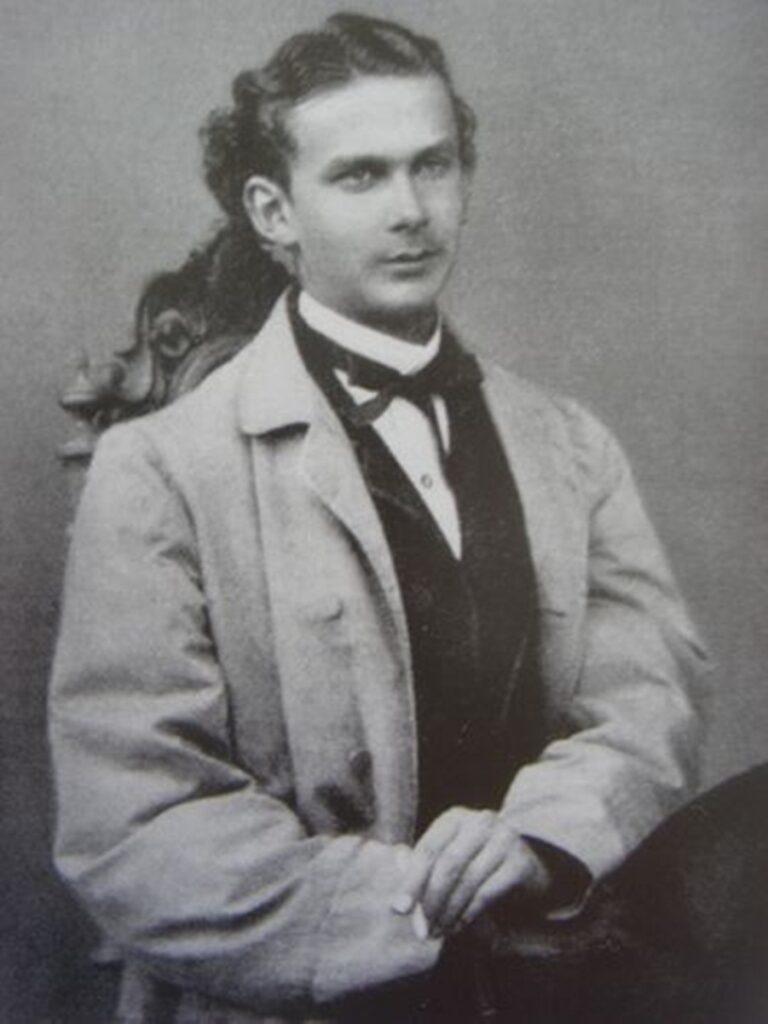
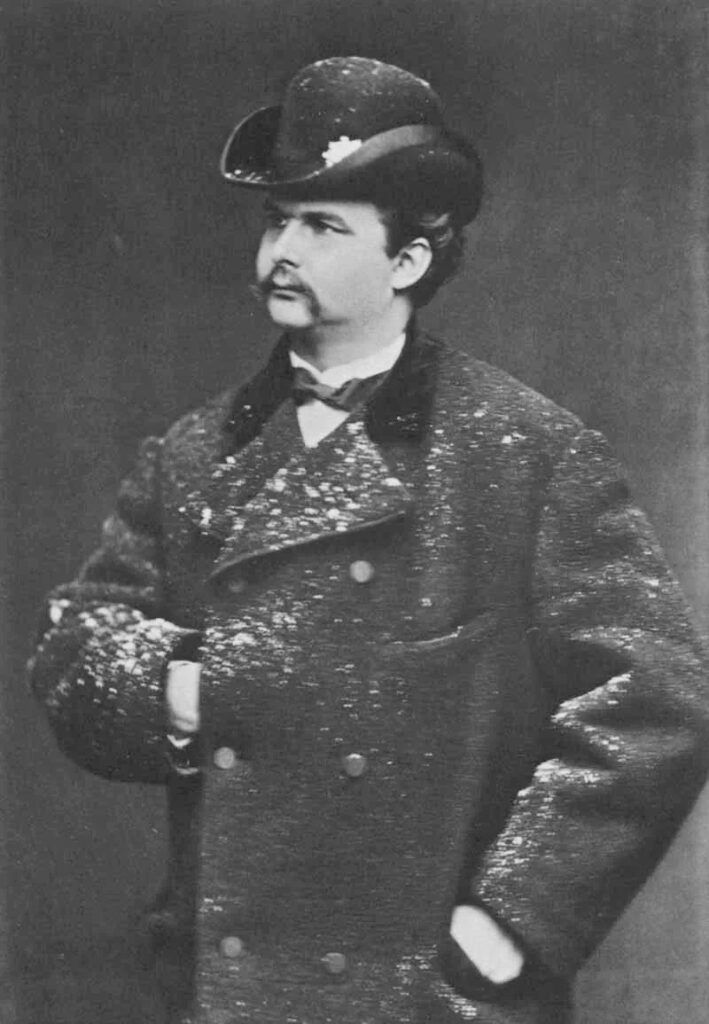
King Ludwig II of Bavaria was one of the most complex, fascinating characters in history. When discussing him, it has become almost obligatory to give him the prefix “Mad”. But is that accurate, or fair?
There was certainly mental instability in his family. On his mother’s side, there were ancestors who had suffered from hallucinations, and on his father’s side, his Aunt Alexandra spent years in a mental institution, convinced that she’d swallowed a glass piano. His younger brother, Otto, was certified insane when he was only in his twenties, and spent the rest of his life in some kind of secure confinement, but what about Ludwig?
He came to the throne of Bavaria in 1864, at the age of 18, after his father Maximilian’s sudden and unexpected death. Immature and ill-prepared, he wasn’t ready for ruling, but nevertheless applied himself to his royal duties conscientiously – at least, at the beginning. Very soon, however, he became bored with politics and ministerial meetings, particularly after the Austro-Prussian War of 1866, in which Bavaria sided with the losing Austrians and, as a result, had to cede a lot of its independence to Bismarck’s Prussia.
Already limited in his powers by the Bavarian constitution – much to his frustration as he wanted to be an absolute monarch like his hero Louis XIVth of France – Ludwig started to withdraw from the real world into a fantasy realm where he could indulge his eccentric whims.
He stopped meeting his ministers, stopped going out in public, even to the theatre which had once been his passion. He turned his days upside down, living a strange nocturnal existence where he had his breakfast in the evening, his lunch in the middle of the night and his supper in the morning. And his household had to keep the same hours to accommodate him.
He took to going out at night on carriage or – in winter – sleigh rides through the countryside on which he would stop at villages and shower the bewildered villagers with gifts. They, of course, had no idea who he was as he generally dressed in a coat and bowler hat and looked nothing like the common image of a king. (One of his sleighs is on display in the museum at the Nymphenburg Palace in Munich. It’s a magnificent vehicle with a golden mermaid at the front, holding aloft two lanterns powered by an electric battery hidden under the seat – pretty advanced technology for its time)
His behaviour became unpredictable, particularly in his treatment of his servants or other palace personnel. A cavalryman celebrating his birthday suddenly found himself summoned into the king’s presence and presented with cigars, bottles of wine and cakes. An infantryman, standing guard in the grounds of Nymphenburg, was perceived by Ludwig to be looking a little tired so the king ordered a sofa to be brought out of the palace for the poor fellow to lie down on. (You can imagine the ribbing the soldier got when he returned to barracks at the end of his shift!)
But on other occasions, Ludwig would be aggressive and violent towards his servants, kicking them or even emptying wash basins over their heads when they displeased him. Sometimes he was so incensed that he ordered servants to be flogged, imprisoned or executed – punishments which, fortunately, were never carried out.
Once, he invited his favourite grey mare to dinner and served her food on the finest Sèvres porcelain, which the horse licked clean and then proceeded to smash with her hooves. Other dinner guests were entirely imaginary. Ludwig would have the table set with extra places for Louis XIVth and his wife, Madame de Maintenon, and chat to them enthusiastically throughout the meal.
More controversial was the king’s obsession with building palaces. When he came to the throne, he already had several, notably Nymphenburg and the Residenz in Munich, and Hohenschwangau in the Bavarian Alps. But those were his father’s palaces. Ludwig wanted his own. So he started building, first at Linderhof near Oberammergau, then Neu Hohenschwangau (later renamed Schloss Neuschwanstein) on a crag near the existing palace, then Herrenchiemsee on an island in a lake where he planned a “mini-Versailles” as magnificent as Louis XIVth’s original.
Was this all evidence of insanity, or just the indulgent behaviour of a monarch with a fertile imagination – and an ingrained sense of entitlement – who could do what he pleased? Or thought he could, anyway.
His ministers certainly weren’t happy with Ludwig. They were alarmed by his increasingly erratic behaviour and the debts he was incurring through these extravagant building projects. Unable to rein him in, they started to plot to get rid of him.
Evidence against him was collected – from ministers, servants and other members of the royal entourage, many of whom were hostile towards the king – and presented to Dr Bernhard von Gudden, the distinguished Munich psychiatrist who had certified Ludwig’s brother, Otto, insane. Without even examining the king, von Gudden declared him insane and unfit to rule.
By this point, Ludwig’s uncle, Luitpold, had already been lined up to take over from him. The Bavarian government appointed him regent and Ludwig was taken by force from Neu Hohenschwangau to Berg Castle, near Munich, where he was locked up under the watchful eye of von Gudden and his assistants. Two days later, the king was dead.
What happened? No spoilers here, but my novel The Wolves of Nifelheim might shed some light on the mystery.
Most of my novels have required considerable amounts of research. Some of this is from books and online sources and interviews, but wherever I can, I like to visit the locations I write about. It’s the only way to portray them accurately, to really get a feel for them – for their atmosphere, their sounds, their smells.
This was especially true of The Wolves of Nifelheim, which has a very specific, very distinctive setting – southern Bavaria and, in particular, the palaces of King Ludwig II, who features strongly, and vividly, in the book.
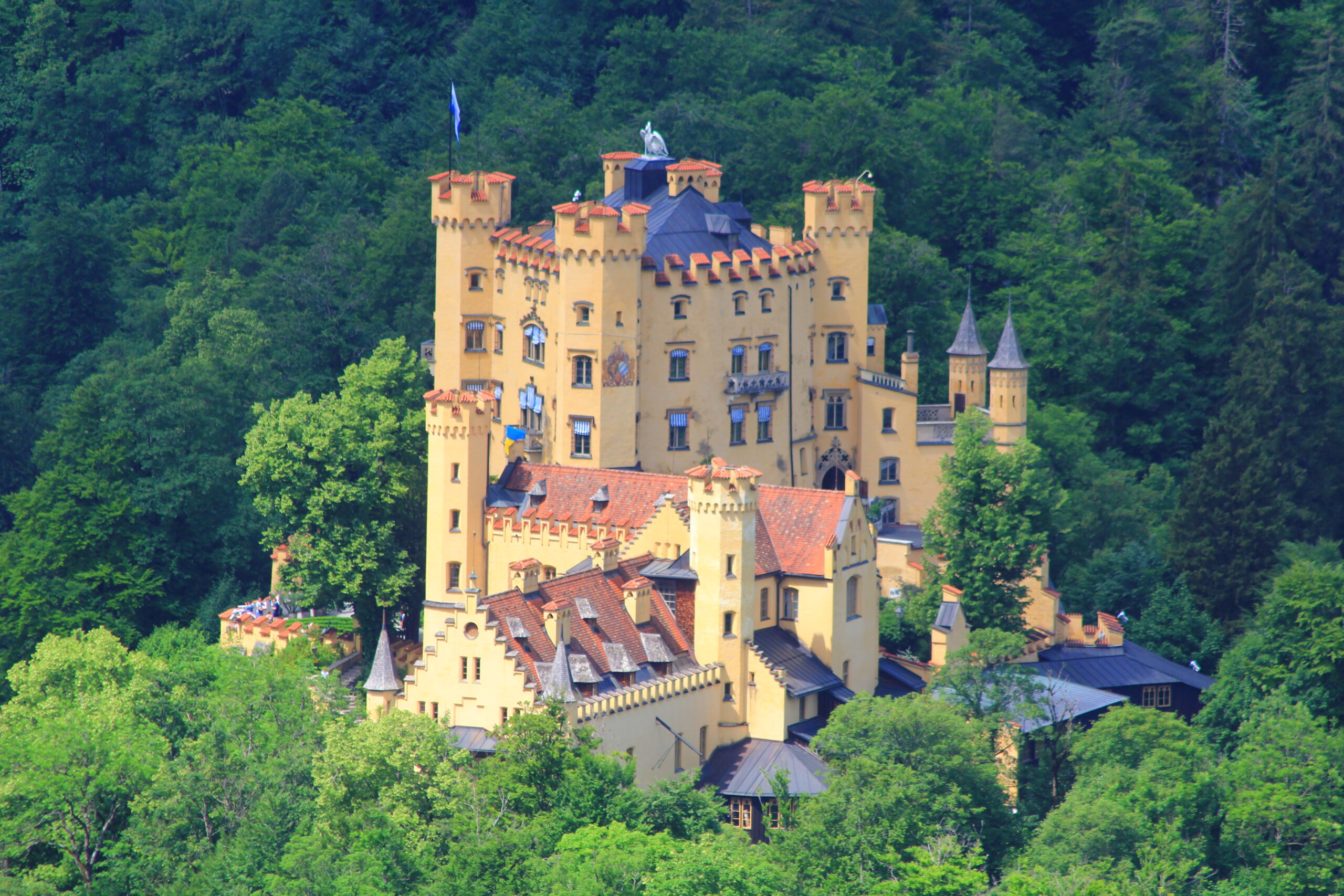
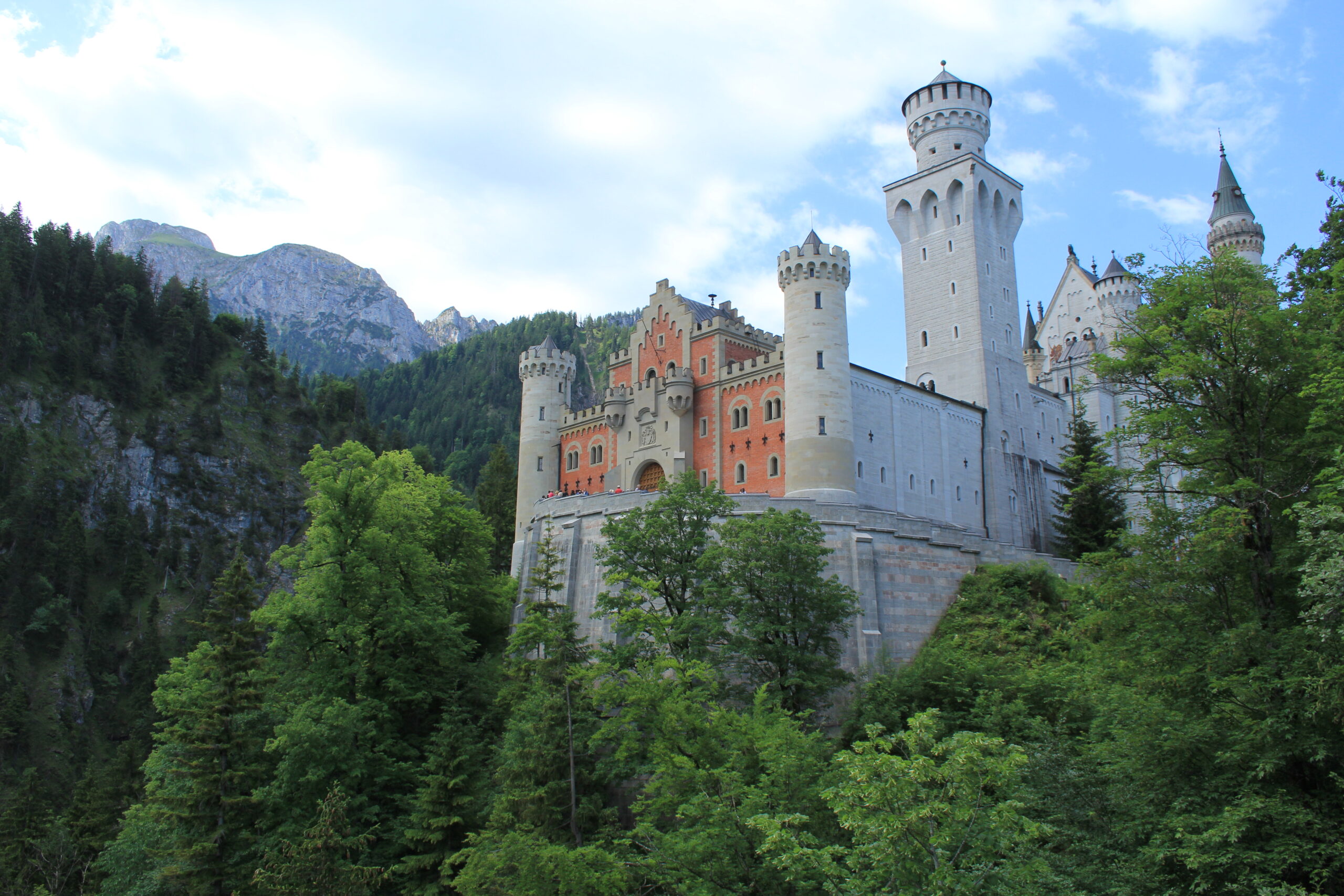
My first stop was at the most famous of these buildings, Schloss Neuschwanstein, built on a high crag in the foothills of the Alps near the town of Füssen. Generally described as a “Fairy-tale Castle”, it featured in the 1968 film Chitty Chitty Bang Bang and is believed to have been the inspiration for Cinderella’s and the Sleeping Beauty’s castles in the Disney theme parks.
It certainly looks like something out of a fairy-tale. Influenced by medieval architecture, and the operas of Wagner, notably Tannhäuser and Lohengrin – both of which feature knights – it is built mostly of white stone in the Romanesque style with battlements and conical turrets. The initial drawings for the castle were provided by a stage set designer – Ludwig having a passion for the theatre – with architects being brought in later to realise the king’s vision.
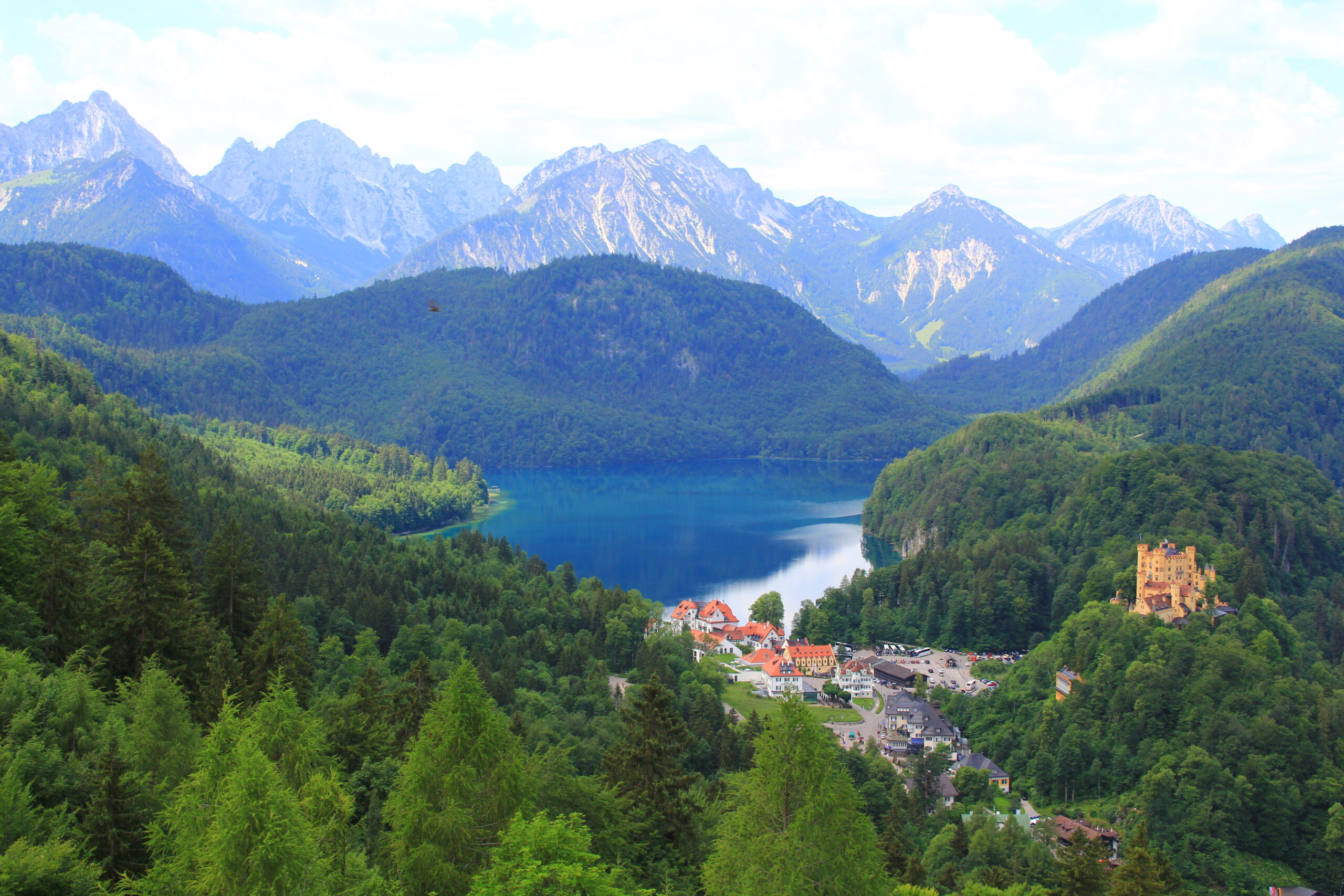
The setting is fabulous. Views to the north over the rich farmland beside the River Lech; to the south the precipitous Pöllat Gorge and rocky, towering peaks that are blanketed in snow in winter and often shrouded in atmospheric mist at other times.
From the valley below, the castle looks quite small, but as you walk up the steep winding road through the forest and round the final bend, you see just how enormous it is. Work on the building began in 1869 and seventeen years later, when the king died in 1886, it was still unfinished. At that stage it was called Neu Hohenschwangau. It was rechristened Neuschwanstein after Ludwig’s death, and within weeks it was opened to the paying public in an attempt to recoup some of the huge costs of construction.
Going round the building, you can see why it was so expensive. The opulence is breathtaking – virtually every surface adorned with elaborate paintings and gilt decoration, particularly the Singers’ Hall and the Throne Room, which doesn’t actually have a throne in it; one was planned but never made.
From one of the balconies, you get a magnificent view of the mountains and two lakes, the Alpsee and Schwansee. On a low ridge between the lakes is Schloss Hohenschwangau, rebuilt by Ludwig’s father, Maximilian. Smaller and less obviously luxurious than Neuschwanstein, it is nevertheless a very impressive residence, the rooms decorated with paintings of scenes from German myths and sagas and the walls concealing a network of narrow passages which the servants could use to discreetly stoke the ceramic stoves that heated the building.
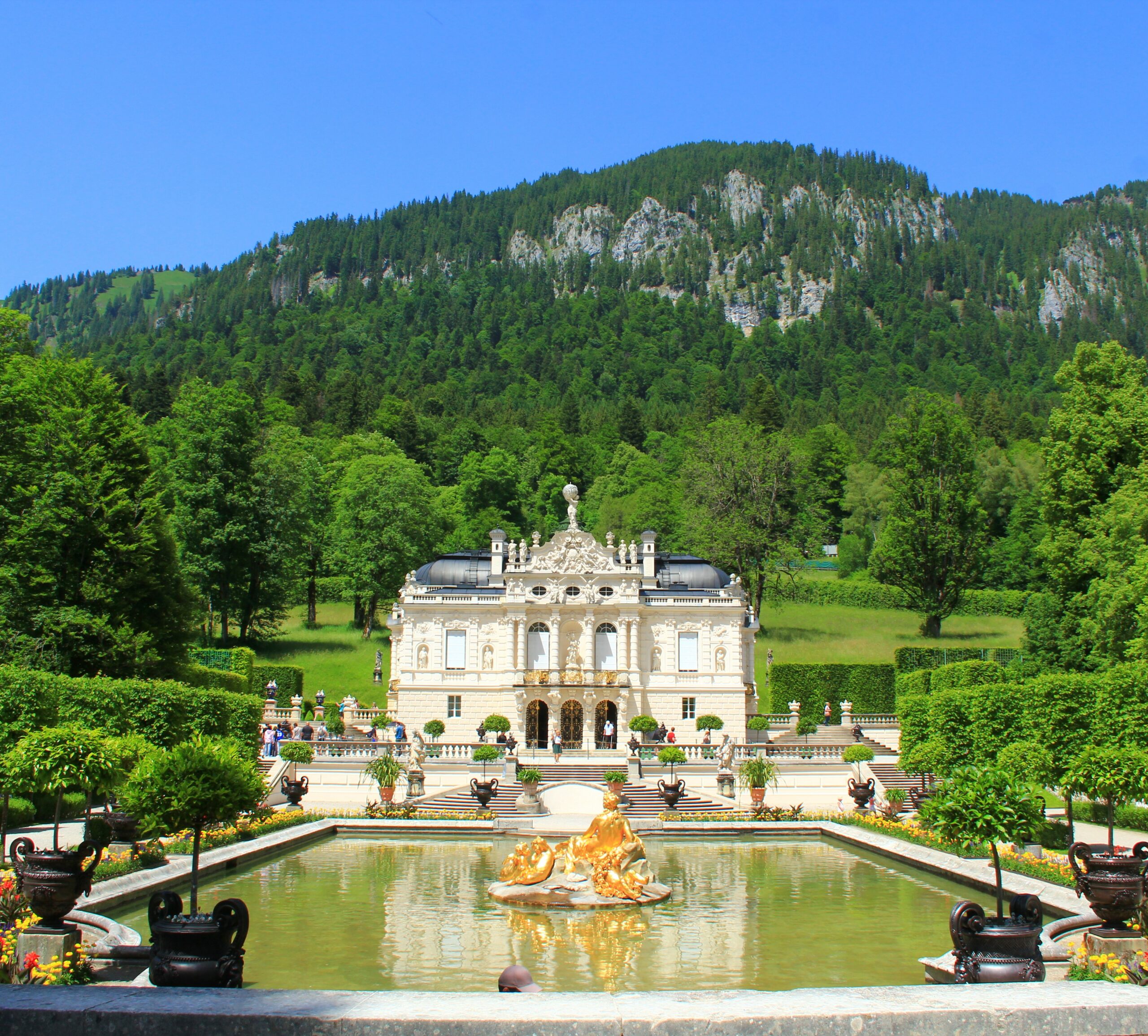
Driving forty miles to the east, I arrived at another of Ludwig’s extravagant edifices, Linderhof. In German, there is only one word to describe these royal buildings: Schloss. But in English we have two words, with very different meanings: palace and castle. Neuschwanstein and Hohenschwangau are definitely castles, but Linderhof is undoubtedly a palace.
It’s tiny compared to the other two, but strikingly attractive. Built in the Baroque and Rococo styles, it’s made of white stone and looks like a giant wedding cake. It nestles in a valley surrounded by mountains and was Ludwig’s favourite residence. It has only a handful of rooms. But what rooms they are! Every one decorated and furnished in the gaudiest, most over the top fashion you’ve ever seen, particularly the king’s bedchamber and the Hall of Mirrors which in Ludwig’s day, illuminated at night by hundreds of candles, must have been an enchanting sight.
The dining room contains the famous “Tischlein-Deck-Dich” – Table Lay Yourself – a table which could be set with food and crockery in the kitchen downstairs and then winched up through the floor to the king (he liked to be waited on, but didn’t like to see the people doing the waiting).
The grounds are well worth exploring as they contain various fascinating smaller buildings: a Moorish Kiosk, a Moroccan House and the Venus Grotto – unfortunately closed to the public for renovations which are taking years to complete, but which contains an artificial cavern complete with stalactites and stalagmites and a lake on which Ludwig liked to float in a gilded seashell-shaped boat, dressed as the Grail knight Lohengrin.
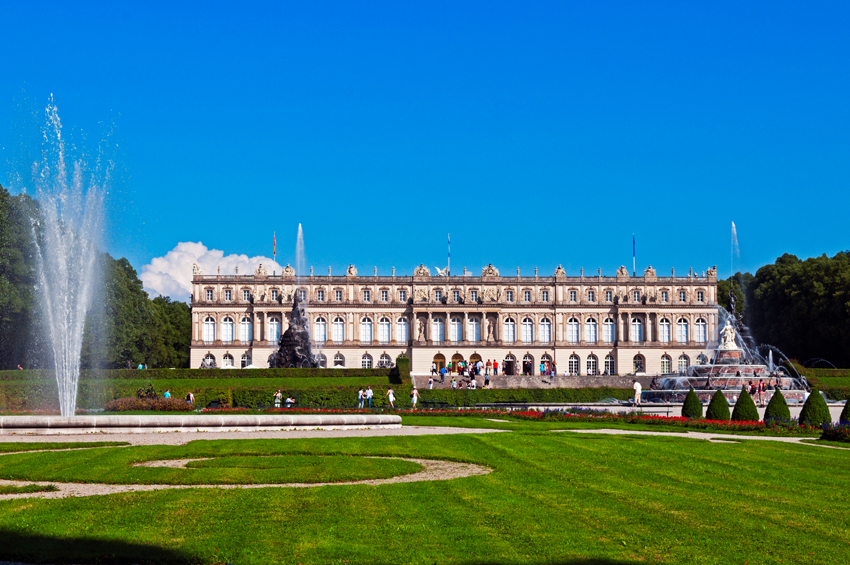
From Linderhof, I continued driving east to Bavaria’s largest lake, Chiemsee, where on an island accessed by a ferry, Ludwig built his “mini-Versailles”, Herrenchiemsee. The setting is less dramatic than the surroundings of his other homes, but the building itself is magnificent. The king ran out of money before the palace could be finished, but the completed rooms include a dazzling Hall of Mirrors which is thirty metres longer than its counterpart in the real Versailles.
From Herrenchiemsee, I drove north to Munich and the Residenz in the city centre, built originally as a castle in the 14th century but developed into a sprawling palace over the subsequent years. In 1867, Ludwig added a Winter Garden to the roof of the building, a sort of enormous greenhouse containing a lake, tropical plants, peacocks and a parrot which could squawk “Good evening” in German. The lake, unfortunately, leaked, obliging the servants who had the quarters immediately beneath it to sleep under umbrellas. Alas for the modern visitor, the Winter Garden was removed after Ludwig’s death for safety reasons (the walls couldn’t take the weight of all the soil and water) because it would have been a sight well worth seeing.
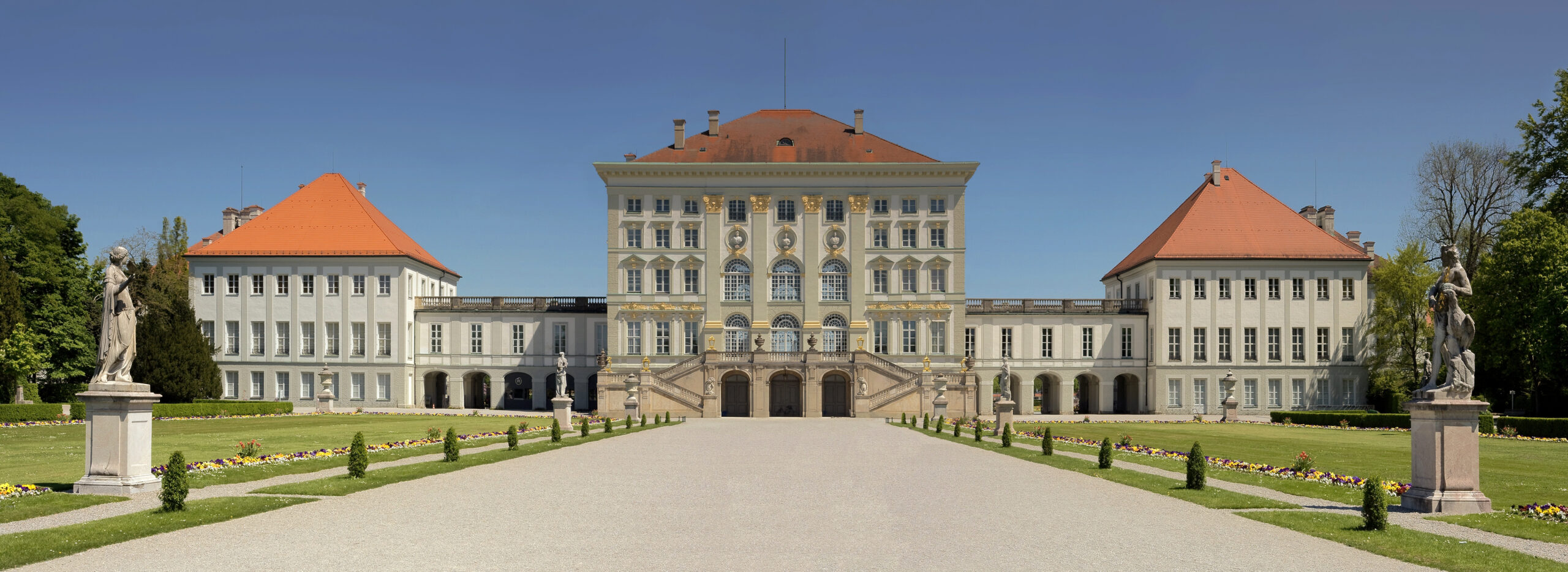
Across the city, a short tram ride from the centre, I visited the Nymphenburg Palace, probably the most elegant of Ludwig’s homes – and the one in which he was born. The building is vast and the grounds even more extensive, containing lakes and fountains and numerous smaller buildings, including some exotic pavilions – one of them, the Amalienburg, containing yet another Hall of Mirrors into which the king, during his unhappy childhood, would escape to be alone with his thoughts. No doubt it was here that he began to dream about the fantastic palaces he would later design and build.
Ludwig was a complex, fascinating man, probably mentally unstable (see my Blog: The Madness of King Ludwig), but endowed with the fertile imagination and fierce royal determination that has bequeathed to the world some beautiful, unforgettable buildings – all of which are open to the public. If you get a chance to visit them, seize it!
Authenticity is important to me in my novels. If I write about a particular location, I want it be accurate and true to the place. That generally means book or internet research isn’t sufficient: to get it just right, I need to visit the location.
This was especially necessary for the third book in my Cremona Mysteries series, The Hardanger Riddle, which is set partly in Norway and features the search for a mysterious missing Hardanger fiddle – the Norwegian folk instrument which is different from a standard violin. It is usually much more highly decorated, with, for example, mother-of-pearl or silver inlay on the edges and fingerboard and a scroll which has been carved into some unique shape, frequently a dragon or animal’s head. Most importantly, it has drone strings underneath the normal strings which vibrate when the instrument is played, giving it a distinctive, very different sound.
I’d never been to Norway, so a research trip was essential to get the feel of the locations I wanted to use.
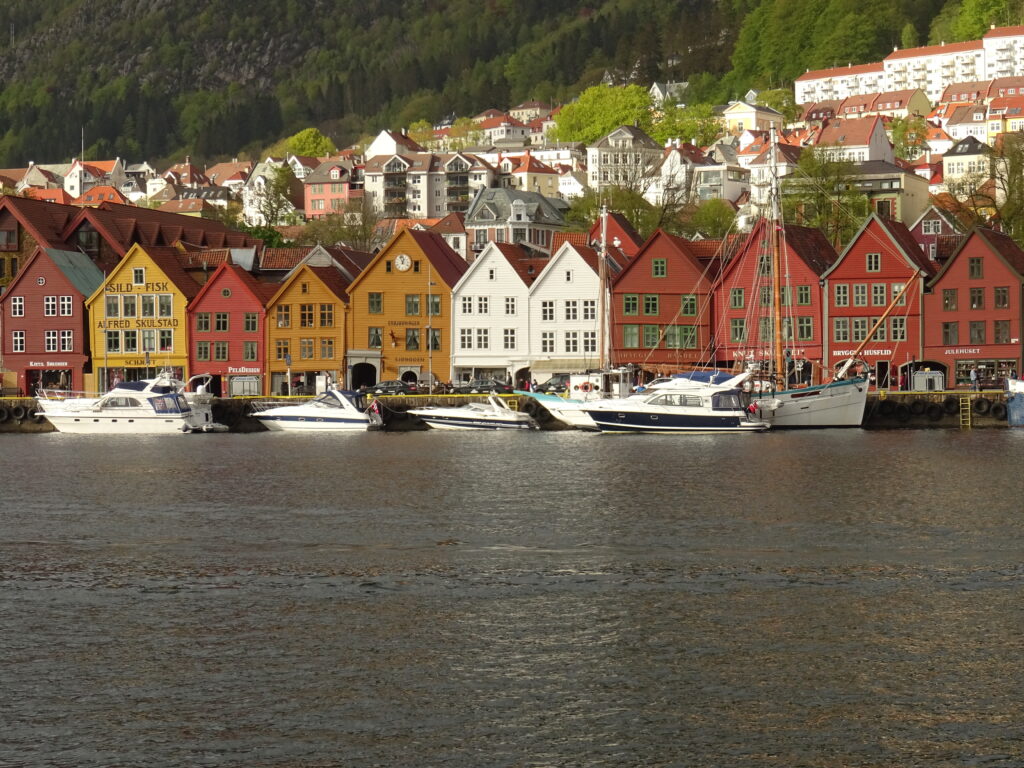
First stop: Bergen, on the west coast, which has the reputation of being one of the wettest cities in Europe – a reputation which, alas, it lived up to as it poured virtually the whole time we were there. It didn’t spoil the experience, however, as it’s such a beautiful city, even in the rain. Of particular note is the Bryggen, the ancient wharf on one side of the harbour which has some colourful, very attractive wooden buildings, and Mount Fløyen, which overlooks the city, and can be climbed either on foot or using the funicular railway. We cheated – well, half-cheated, as it was bucketing it down – by taking the funicular up and walking back down – exactly what the characters in my book do.
Bergen was the birthplace of two of Norway’s most distinguished musicians: Edvard Grieg – world-famous, of course. And less famous but, nevertheless, a massive figure in Norwegian history, the violinist Ole Bull, the Norwegian Paganini. Both these men were important to me as both feature in The Hardanger Riddle and a visit to their homes was a key part of my research.
Grieg’s is just a short bus ride and a twenty-minute walk outside Bergen at Troldhaugen – Troll’s Hill – a low promontory overlooking Lake Nordås. The house is a relatively modest, two-storey wood-clad building. When Grieg had it built, in 1885, the site would have been peaceful and remote, ideal for composition. Since that time, however, the surrounding area has been developed and built on so the house has a more suburban setting. The garden has also changed considerably, owing to Grieg’s fame. There is now a visitor centre, café and concert hall adjacent to the house – wonderful additions for tourists but they detract from the atmosphere of the place and make it harder to get a feeling for what it was like when Grieg lived there.
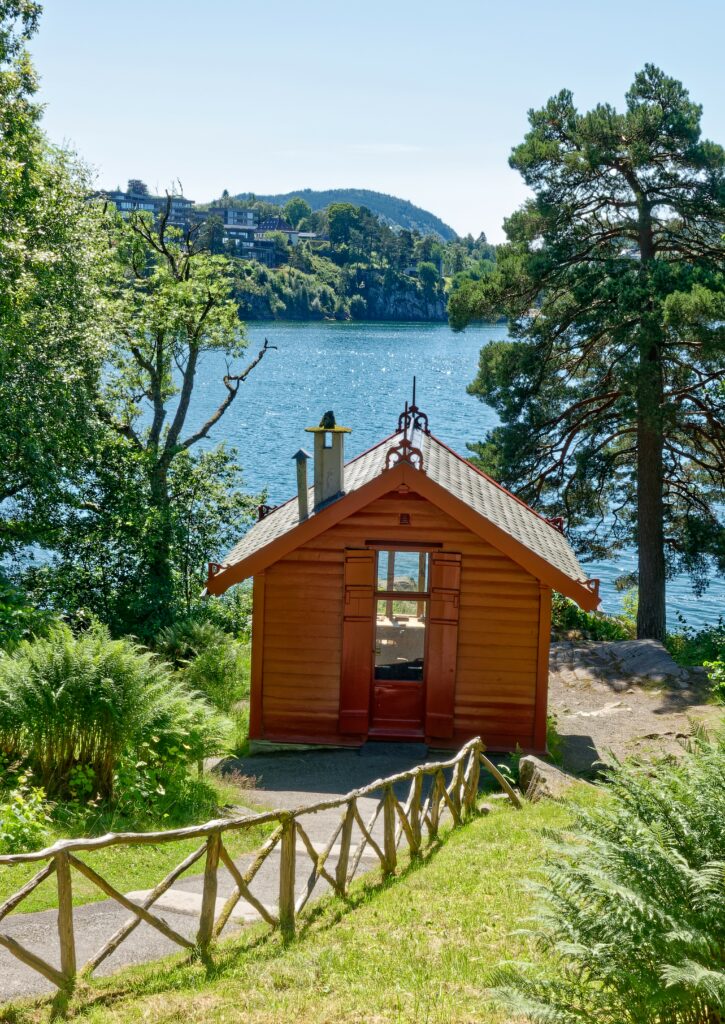
Unchanged, fortunately, is the wooden hut down by the water in which he composed. It’s little bigger than a garden shed, just large enough to accommodate a desk and chair, a chaise-longue and an upright piano. On the stool of the piano you can still see the thick book of Beethoven’s thirty-two piano sonatas on which the diminutive composer sat in order to comfortably reach the keyboard. That’s the most memorable image I took away from Troldhaugen – the actual spot in which he wrote his music. That and the small stuffed toy frog he kept in his pocket and rubbed for good luck before he went on stage to perform – that gave me a feel for the man far more vividly than all the other exhibits in the visitor centre.
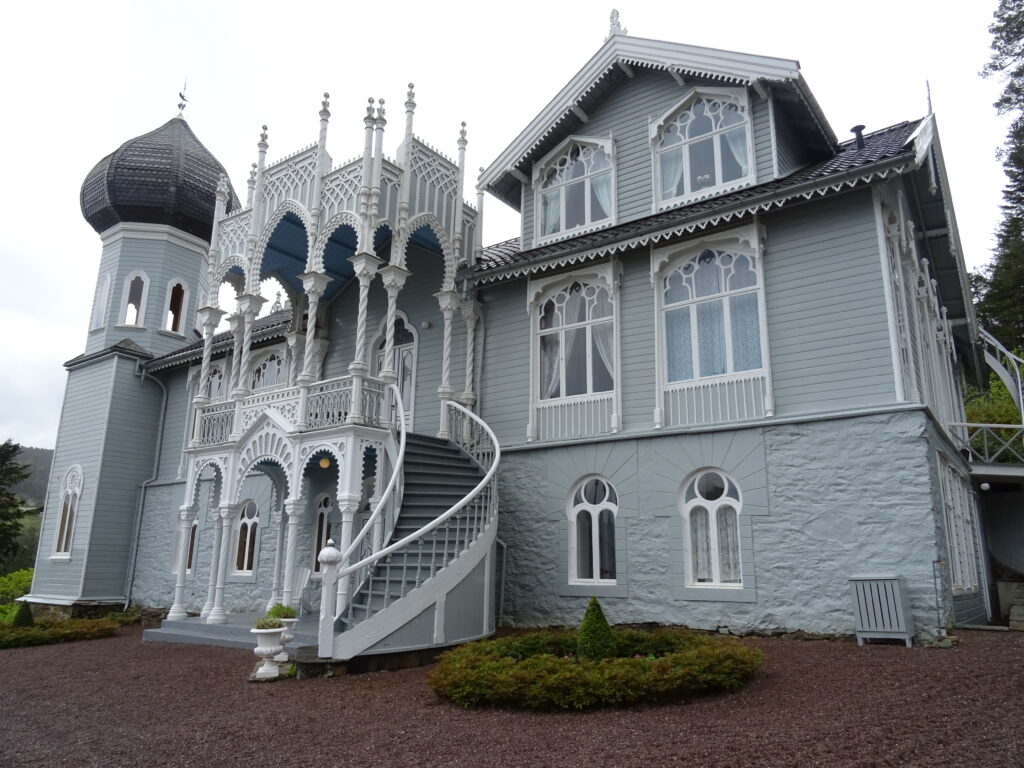
Ole Bull’s home was a longer bus ride south from Bergen, then a short sea crossing in a tiny launch to Lysøen, the “Island of Light” on which he built a luxurious home with the proceeds of his long, lucrative career as a travelling virtuoso. The house is extraordinary, constructed in a semi-Moorish style but with a striking Russian Orthodox onion dome on top of a turret. The interior is just as impressive, lined with intricately-carved pine. Bull is relatively unknown outside his home country and his compositions are rarely played, but in Norway he’s a national hero, not just for his musical achievements but because he was instrumental in other important areas of Norwegian culture. It was Bull who advised the fifteen-year-old Grieg to go and study at the Leipzig Conservatory – a training that was vital in his development as a composer – and it was Bull who founded the National Theatre in Bergen and hired a young Henrik Ibsen to work there, launching his career as a playwright.
The day we visited Lysøen, the rain actually stopped and the sun came out, bathing the island in a brilliant light. There were very few visitors and when we walked away from the house into the forest to a small lake, we had the place entirely to ourselves. We sat on a log by the water, watching the sunlight dancing on the water and imagining Ole Bull out here playing his violin. I don’t think I’ve ever been anywhere so peaceful.
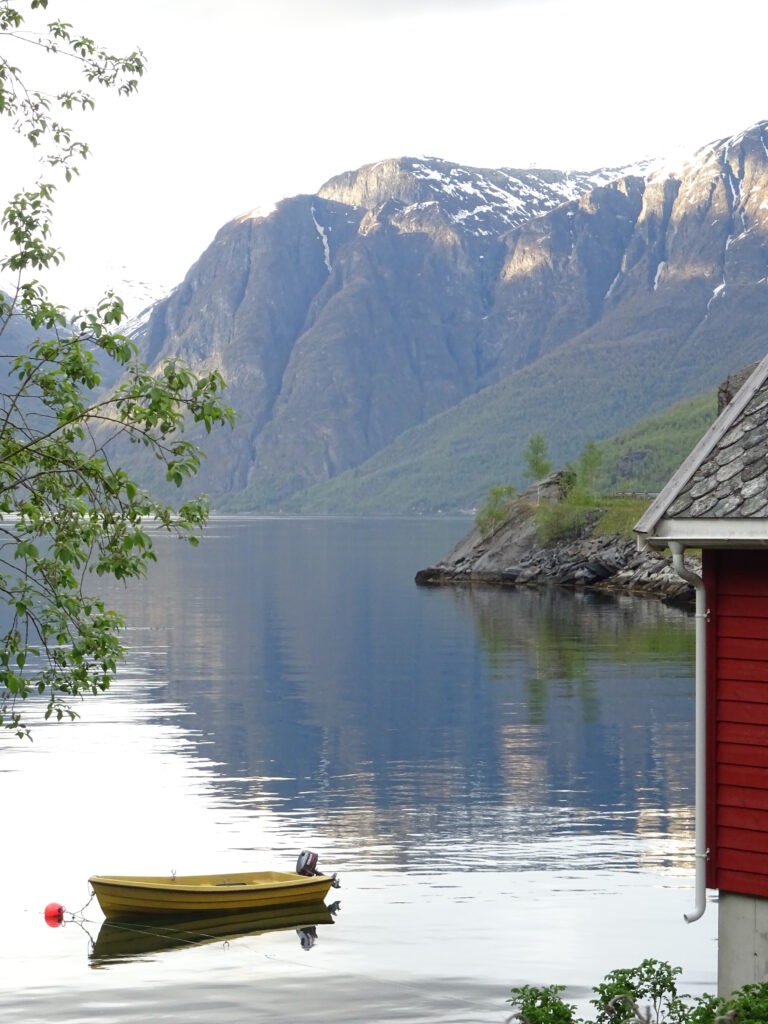
From Bergen – following the dictates of the plot of my novel – we headed north to Flåm, a small town at the head of the picturesque Aurlandsfjorden. This is Norway at its most spectacular, the mountains rising steeply from the shores of the fjord, the water deep and dark and icy – even in summer. My Italian characters, Gianni Castiglione and Antonio Guastafeste, go there in the book and there’s no way I could have got a feel for the beauty, and bleakness, of the landscape without going there myself. This area is the heart of the novel, the place where memories are long and disturbing secrets are buried. Do Gianni and Antonio find the missing fiddle they’re searching for? The Hardanger Riddle will reveal all.
I once read a very harsh review of a first novel in a national newspaper, thankfully, not mine. Let’s call the author of the book in question John Doe. The headline on the review was, “Everyone thinks they have a novel in them. Unfortunately, John Doe’s got out.”
This sums up nicely the widespread belief that anyone can write a novel. Not true. They’re harder than you might think and most people don’t have the ability, or the staying power, to write eighty to a hundred thousand words, let alone make it a coherent, original story that will engage a reader.
The next misconception is that, if the book is good enough, and you persevere enough, it will eventually get published. Also, not true. Publishers like to say it to aspiring authors because, well, they’re in the business of encouraging writers, aren’t they? They want people to write books because that’s the product they sell and they need something to fill the pipeline. Don’t they?
Wrong. They have enough books already coming to them from established authors and agents, and they don’t need yours. They don’t want it, in fact, whatever they say.
Two anecdotes to illustrate this:
Many years ago, when I was living and working in Rome, I met an American writer who had started work after college with a major New York publishing house. As a new, entry-level employee, he was given what was regarded as the lowest, least rewarding job in the company: he was put in charge of the unsolicited manuscripts sent in by wannabe writers – and you can tell how much those submissions are valued by the derogatory term they’re given across the whole publishing trade: The Slush Pile.
His instructions were quite clear. On no account was he to read any of the manuscripts. His job was to open the envelopes, riffle through the pages to give the impression that someone had read them, then put the manuscript back in the post to the author. He was also in charge of what was known as “The Crazy Line.” This was the phone extension to which the switchboard diverted all the calls from unknown authors and his job was to fob them off and stop them bothering anyone else in the company.
Second anecdote:
At the beginning of my own career – in the 1980s – when I was trying to work out how the publishing business worked, I went to a seminar at a literary festival entitled something like “How to get your first novel published.” Two of the speakers were from Faber and Faber and they did their best to make out that they were entirely open to submissions from new authors. I smelt a rat and at the end I managed to ask a question: how many manuscripts from the Slush Pile had they published in recent years? The answer, after a long, embarrassed silence and a brief conferral, was, “Probably not a single one since William Golding’s Lord of the Flies.” Which was published in 1954.
That might reflect how bad the submissions were, of course, but it might also reflect how hard they were looking at them.
So how did I get published?
The short answer: the hard way.
I was twenty-four when I quit my job as a journalist and went to Venice to write my first novel – a typical young person’s story about love and loss, low on plot, high on literary pretensions (it has long since been dumped in the bin, but was almost certainly rubbish). Coming back to England, I sent it off to numerous publishers and got rejected by every one (those that replied, anyway; most didn’t even respond). Did they read the manuscript? Looking back, knowing what I now know, I doubt it.
I then wrote another book, then another, then another… All were turned down by publishers. Five rejected manuscripts on, I finally got a book accepted.
How? First thing, I went on an Arvon Foundation writing course.
(If you’ve not come across it before, the Arvon Foundation is a charity that runs short residential creative writing courses at several centres around the UK.)
By this stage, I was pretty disillusioned with novel writing so I went on a screenwriting course, thinking that might open up more opportunities for me. The course was held at Lumb Bank, near Hebden Bridge in Yorkshire, a large, country house that once belonged to the Poet Laureate, Ted Hughes. There were two tutors on the course: the writer, Andrew Davies, who was relatively unknown then but has since become famous for his TV adaptations of classic novels, and a successful TV producer named Susi Hush – who died tragically young, but a lovely, generous woman to whom I owe a massive debt.
Susi liked some of the work I did on the course and, afterwards, introduced me to a screenwriting agent at one of London’s leading literary agencies. I began writing scripts for television and film and, when I wrote another novel – my first Mike McLean thriller, An Exceptional Corpse – my agent gave it to one of the book agents at the agency and he sold it to HarperCollins.
The moral of this story: get yourself an agent.
Agents control the writing business, whether that’s book publishing, or film and television scripts. Without one, it’s going to be a struggle to get anyone to even read your work, let alone buy it. But getting an agent isn’t easy. They’re busy people, mostly with long lists of existing clients. Their default position regarding new writers is to say “No”.
So what do you do? Keep trying, but if it’s not working, there are other routes into publishing now. You can self-publish. Many very successful authors do. But that’s another story.
“We have a target on the move. You’re not hearing any of this, OK?”
That’s exactly the kind of instruction a thriller writer loves to hear.
I was sitting in an office in the Brussels headquarters of UCLAF (now OLAF), the European Union’s fraud-busting squad, comprised of police officers, customs officers, lawyers and accountants on secondment from the member states. Across the other side of the desk, an Irish customs officer was speaking into the phone, answering an urgent call that had come through in the middle of our interview.
Who was the target to whom he was referring? I don’t know exactly. For obvious reasons, the customs officer wasn’t going to reveal that to a nosey novelist like me. But I do know it was someone involved in the cigarette smuggling business – and I use that term advisedly because it’s a very big, profitable racket – and that he was under surveillance by EU law enforcement officers. The rest of the customs officer’s phone conversation I can’t reveal, but suffice to say it gave me a vivid feel for the work of the fraud-busters, and some fantastic insider information to use in the book I was planning to write, the book that became Shadow Chasers.
How had I got there? Let’s go back a few years.
I was working in Italy as a journalist and happened to go to Naples where, in the back streets, I noticed children selling packs of cigarettes that were displayed on the bonnets of parked cars. The kids were young, nine or ten years old, some of them younger than that, and they clearly should have been in school at that time of day. The amount they were charging for the cigarettes was well below the price in a tobacconist’s shop so I knew they were contraband, cigarettes smuggled into the country to avoid paying duty on them. The criminals behind this lucrative piece of private enterprise, of course, were the Camorra, the Neapolitan mafia, and somewhere close by would be an adult keeping an eye on the kids, with a van to top up their stock when it ran out. And I could see it would run out often from the number of customers they were attracting. Why pay full price and a lot of tax on your smoke when you could get it thirty per cent cheaper on the streets?
That memory stayed with me, the idea germinating in my mind over a long period. I did some research into the contraband trade and discovered UCLAF (the Unité de Coordination de la Lutte Anti-Fraude), an EU organisation that, until then, I’d never heard of. I found their annual reports, which detail their fight against fraud, and studied them, then got in touch with their office to ask if I could come and talk to their staff. To my surprise – I was expecting a straight no – they were more than happy to cooperate. I took the Eurostar to Brussels where the director of UCLAF had arranged a series of meetings for me with members of his team. There was only one condition: no names, the officers had to remain anonymous.
The remit of the unit is extensive. They look at fraud in a huge number of different areas – industry, agriculture, academia (yes, those distinguished university professors aren’t above fiddling the figures in their applications for EU funding). But the three big ones are cigarettes, alcohol and olive oil. The first two are obvious areas for fraud; olive oil less so, but if you adulterate the oil with, say, much cheaper hazelnut oil – which is very hard for consumers to detect – you can make a fortune.
Inevitably, most of the scams are run by organised crime groups and their scale is breathtaking. They’ve been known to charter roll-on-roll-off ferries and huge Ilyushin cargo planes to covertly transport contraband cigarettes into the EU. Or they exploit the rules about cargoes in transit across the EU to a non-member state. Here’s where the tiny principality of Andorra, in the Pyrenees, came into its own. Cigarettes manufactured legitimately in the UK were shipped to a bonded warehouse in the Netherlands, then on to Andorra, no customs duty payable as Andorra isn’t in the EU. In Andorra, the cigarettes were unloaded and transferred to vans and – yes – donkeys, then smuggled into France and Spain. UCLAF became a little suspicious about this apparently legal trade when they looked at the figures. They divided the number of cigarettes being shipped with the population of Andorra and discovered that each citizen was supposedly consuming something like ten thousand packets a year. That was some habit!
If you want to know more about the fraud-busters and their work in a fictional setting, take a look at Shadow Chasers.
Characters’ names can be tricky for authors. You need a lot in the average novel, but where do you find them? When I first started out, my local library still had shelves of telephone directories, both UK and international, that I could consult and farm for names – always changed slightly; you don’t want to get sued by the real John Doe, particularly if you’re a crime writer and you’ve made the character, say, a mad axe murderer.
The phone directories are long gone now, but there are other sources of names. In my Cremona Mysteries series, my detective is called Antonio Guastafeste, a very unusual Italian name that came to me by a bizarre route.
Many years ago, (my memory is hazy about the exact date) I watched a BBC documentary about the conductor André Previn. There was a scene in the programme when Previn was talking fluent German to some visiting dignitaries (for lovers of trivia, Previn, of course, was born Andreas Priwin, in Berlin, and German was his first language).
Then he reverted to English and talked about the richness of different languages and the melting pot of American society and he mentioned, in passing, that the principal double-bass player of the Chicago Symphony Orchestra was called Joe Guastafeste, which he translated – a bit unflatteringly, I think, but very affectionately – as “Joe Wetblanket”.
I thought, what a great name for a character in a book, so I stored it away in my brain and when I came to write Sleeper (US title:The Rainaldi Quartet), I used it for my detective, changing the Christian name to Antonio. I did a check on various data bases to make sure there wasn’t anyone in Cremona called Guastafeste, particularly a police officer, and found no one. A few years later, after the book had been published in America, I found out why.
I got a letter from Joe Guastafeste, asking me where I got the name from as, to his knowledge, his family were the only ones in the world called Guastafeste. I explained how I came by the name and he told me the story of its origin.
Back in the nineteenth century, the Mother Superior of a convent in Sicily went to the front door on a feast day and found a baby abandoned on the step. Her first reaction was to cry out, “Guastafeste!” (literally, Feast Spoiler) so when the nuns took the baby in, they christened him Giuseppe Guastafeste. When the child grew up, he either emigrated to America – or his son did, I forget the exact details – and, in time, Joe Guastafeste was born.
A couple of years after hearing from Joe, I received a letter from his brother, Al Carmen Guastafeste – also very musical, a pianist who’d studied at Juilliard and wrote a memoir about his time as accompanist/music director for Marilyn Monroe’s famous tour of US troops in Korea during the war there – asking me the same question: where did I get the name Guastafeste from? I sent him a message back, saying: Ask Joe.
This is a transcript of a podcast I wrote for the Royal Literary Fund
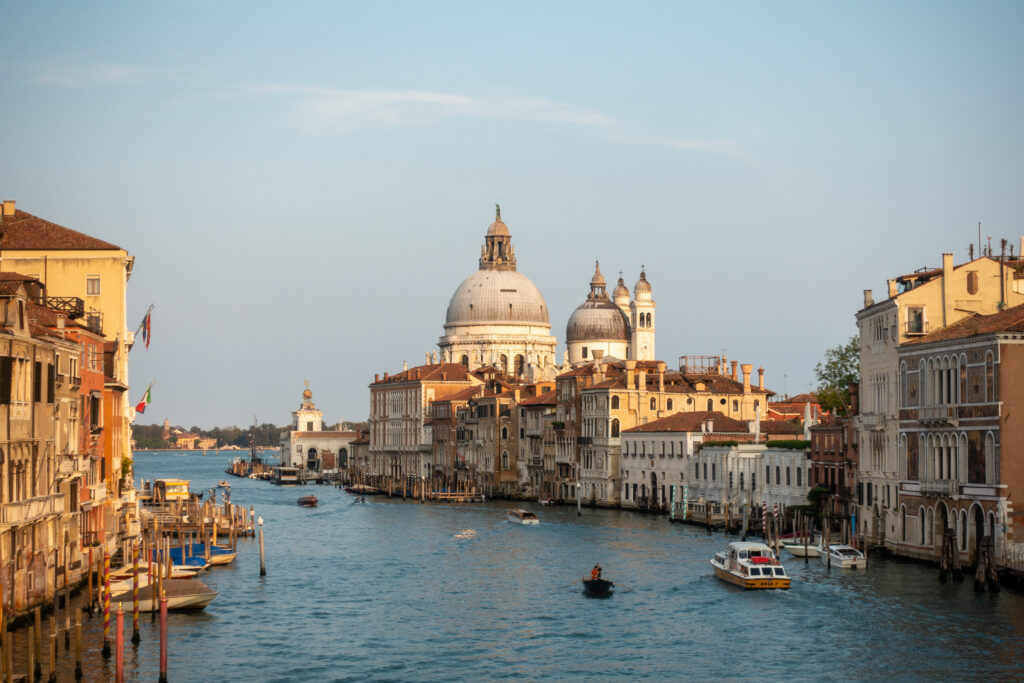
I started my first novel when I was in my mid-twenties. I quit my job as a newspaper reporter and got the train to Venice where the book was going to be set. I’d visited the city as a student and spent the intervening years mulling over a novel about a group of fictional musicians who played in a café orchestra in St Mark’s Square. Now it was time to actually write the story.
I found a cheap pensione in one of the more obscure quarters of the city. My room had the feel and dimensions of a former boxroom – just wide enough for a single bed with a window at one end that looked out over a narrow canal onto the brick wall of the adjoining building. I’d brought a portable typewriter with me in my rucksack which I set up on the tiny table and settled down to write. My mornings I devoted to work, my afternoons to wandering around the city making notes about locations or going to Italian lessons at the Dante Alighieri School.
After three months, with the novel a quarter written, I started to run out of money and realised I needed to find a job. Venice – so atmospheric and relatively tranquil in the late winter with the mists rolling in off the lagoon – was now starting to fill up with visitors and was much less attractive. My poky, claustrophobic little room was also beginning to get me down. I needed a change of scenery so I got the train to Rome where I thought I might have a better chance of getting work – maybe in a hotel or bar. But when I got there, I discovered there was an English-language newspaper. Calling in on the editor, I got a few casual shifts as a sub-editor, then he offered me a full-time post which I accepted. I stayed for a year and in my spare time finished my novel.
Then I came back to Britain and tried to get it published, naïvely posting it off to publishers without realising that, whatever they claim, they never look at unsolicited submissions. It was turned down by all of them, but I kept on writing: novels about the 1956 Hungarian Uprising, brutally suppressed by the Soviets; a satire about an intergalactic correspondent sent as a punishment to report on life on Earth; and three or four thrillers. All rejected by everyone until, finally, I got an agent and had a book accepted.
Are they any good, those sad, spurned novels mouldering away in my bottom drawer? I don’t know, but I’ve always stuck to the golden rule of never re-reading any of them. They will either depress me because they are so bad, or depress me because they are actually quite good and the wasted work and missed opportunity they represent would be too painful to bear.
This is a transcript of a podcast I wrote for the Royal Literary Fund
I mainly write thrillers and crime novels which require tighter, more complex plots than some other types of literature. And those plots don’t come either quickly or easily to me. I can sit down in a morning and write a few hundred words of a novel in progress. Even if they’re not very good words I then, at least, have something I can rewrite. But I can’t do the same with plotting. It doesn’t come like that. It can’t be forced. It develops organically over a period of time.
Most of my books have required a lot of research or reading. I’ve written thrillers about contemporary neo-fascism in Italy, fraud and cigarette smuggling in the EU, the search for the next Dalai Lama, GM crops, the 21st century surveillance society in which we live and many other subjects. For all of them I read widely, talked to experts in the relevant fields and also visited, if possible, the locations I was going to write about to get an authentic feel for them. In the process, the plots and the development of my characters gradually take shape.
I generally have quite a detailed plan in place before I start writing my first draft. It’s not set in stone. I have the scope to be flexible and to change course if I need to, but my books need structure and a solid, well thought-out advance plan gives me the skeleton on which I can hang the flesh of my story. Writing a novel is such a long process, a slow accretion of words over a period of months, that without that plan I would lose my way and end up in difficulty.
I write all my books initially with a pen and a pad of A4 paper which I know is slightly old-fashioned. I think this may be partly because I started my career in the pre-computer age when rewriting on a typewriter was a laborious and time-consuming task. Changing a paragraph or two necessitated rewriting lots of pages. But it’s also a creative choice. I feel I write better with a pen than through the mechanical process of tapping out words on a computer keypad and I would rather stare all day at a blank sheet of paper than a glowing screen.
I don’t write particularly fast. I like to spend time getting my first draft right. The writing, of course, does end up on a computer. After I’ve done my original work for the day, I type it all up. This might sound like an arduous duplication of effort, but it’s actually my first edit. It makes me re-read carefully what I’ve written and rewrite it if it needs more work. Once the entire first draft is completed, I print it out and start the detailed process of rewriting on paper again. This could take me several more months before the manuscript is ready for the most terrifying part of the whole writing process: showing the book to my wife.
AGE: Fourteen.
DESCRIPTION: Tall, strong, blond hair, dark blue eyes.
LIFE: Max goes to a comprehensive school in north London during the day, but in the evenings, he has a successful career as an escapologist – nicknamed the “Half-Pint Houdini” by the press.
SKILLS: Max is super-fit. He has to be for his stage act, which involves all sorts of physical feats such as escaping from handcuffs, from sacks underwater and from blazing cabinets. He can hold his breath for three minutes and swim a hundred metres underwater (four lengths of a typical municipal pool). He is also an expert lock-picker, a skill he learnt from his father.
FAMILY: Max’s father, Alexander, was a world-famous escapologist, known as “Alexander the Great”. Two years ago, Alexander disappeared mysteriously in the Central American country of Santo Domingo. Although his body was never found, Max’s mother, Helen, was convicted of murdering him and sentenced to twenty years in prison. She served eighteen months in a Santo Domingo jail, but was then transferred to Levington Prison in England to finish the remainder of her sentence. Alexander’s Spanish stage assistant, Consuela Navarra, has become Max’s legal guardian while his mother is in prison. Consuela lives with Max and also assists him in his stage show.
HOBBIES: Max doesn’t get much time for hobbies. He trains hard every day to keep himself fit for his show – working out on exercise machines, swimming and running. But when he gets some free time, he enjoys football, computer games and music.